Myotonic Dystrophy
Myotonic Dystrophy
Welcome to my website about Myotonic Dystrophy. I suffer from this disease having been diagnosed in 2012.
I assume you are here because your life has been touched by Myotonic Dystrophy. Maybe you are a parent with a child with the disease. Maybe you’ve just been diagnosed. you could have been suffering from this disease for years. Whatever your position you are most welcome to explore the website. I hope you find it useful.
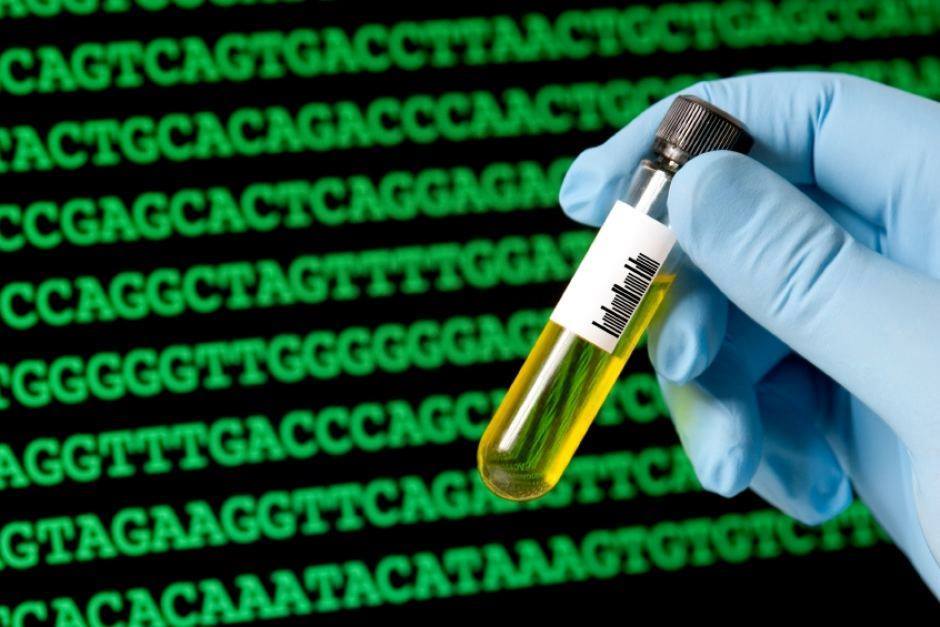
Testing for Myotonic Dystrophy: it is caused by a specific genetic change within the DMPK gene on chromosome 19
Symptoms
Signs and symptoms of Myotonic Dystrophy often begin in a person’s 20s or 30s but can begin at any age. Symptoms often include progressive muscle weakness, stiffness, tightness, and wasting. There are two types of myotonic dystrophy: myotonic dystrophy type 1 and myotonic dystrophy type 2. The symptoms in people with myotonic dystrophy type 2 tend to be milder than in those with type 1, but the symptoms may overlap. People with myotonic dystrophy type 1 typically experience involvement of the legs, hands, neck, and face, while people with myotonic dystrophy type 2 typically experience involvement of the neck, shoulders, elbows, and hips. The severity of symptoms can vary widely among affected people.
Other signs and symptoms of Myotonic Dystrophy can include cataracts, type-2 diabetes, and cardiac conduction defects (irregular electrical control of the heartbeat). Some affected men also have hormonal changes that may cause balding or infertility.
In some cases, babies are born with a variation of Myotonic Dystrophy type 1 called congenital myotonic dystrophy. Symptoms of congenital myotonic dystrophy are present from birth and include weakness of all muscles, breathing problems, clubfeet, developmental delays and intellectual disabilities.